Heavy rain can turn a familiar dementia-care routine into a fall, infection, dehydration or wandering risk when floors, lighting, transport and staffing change. By the end, you will know how to prepare a monsoon plan, identify urgent health changes, compare care centres and give staff the information needed to keep routines safe.
Key takeaways
- Assign emergency roles before the first heavy rain.
- Keep meals, medicines and sleep times consistent during rainy days.
- Check hydration, infection signs and sudden confusion every day.
- Ask centres about staffing, drainage, backup power and hospital transfer plans.
Build a Monsoon Safety and Emergency Plan Before the First Heavy Rain
Before the first heavy rain, an elderly care center in Pashan should convert its monsoon plan into assigned actions, not rely on residents with dementia to remember hazards.
1. Inspect entrances, corridors, bathrooms and lift lobbies. Dry spills immediately, place high-contrast “wet floor” signs, keep handrails clear, and provide non-slip footwear. Supervise transfers near toilets and doorways.
2. Mark a flood response route and a higher, dry refuge area. Keep torches, charged power banks, drinking water, continence supplies, medicines, first-aid materials and printed emergency contacts in a waterproof container. Never use a lift during flooding or a power failure.
3. Test backup lighting, generator support for essential medical equipment, call bells and phone contacts before the rains. Record each resident’s mobility needs, allergies, medication list and evacuation assistance.
4. Keep spare dry clothes, towels and footwear accessible. Change wet garments promptly, inspect bedding and rooms for leaks or mould, and keep toilets easy to find. Avoid waterproof clothing that is hard to remove during toileting.
5. Create a transport trigger: postpone non-urgent appointments when roads, bridges or visibility are unsafe, and confirm an accessible vehicle before departure. Keep a medical-review pathway for fever, cough, vomiting, diarrhoea or sudden functional decline.
Tell families in advance how visits, laundry, outdoor access and transport will change. They can provide a recent photograph, calming routine and communication preferences, but dementia care and elderly care must never take residents out in unsafe rain merely to preserve a planned visit. This is practical monsoon planning in Pashan.
Keep Daily Routines Predictable When Rain Changes the Day
Keep the same sequence each day: wake up, toilet, wash, dress, eat, take medication, move, rest, do an activity, and go to bed at familiar times. Even if rain cancels an outing, predictability matters more than the original plan. Sudden changes in staff, room layout, meal timing, or activity schedules can increase distress.
For dementia care seasonal routines in pashan, use these daily anchors:
- Offer drinks at set intervals instead of waiting for the resident to ask.
- Keep bathing, toileting, meals, and medication at their usual times.
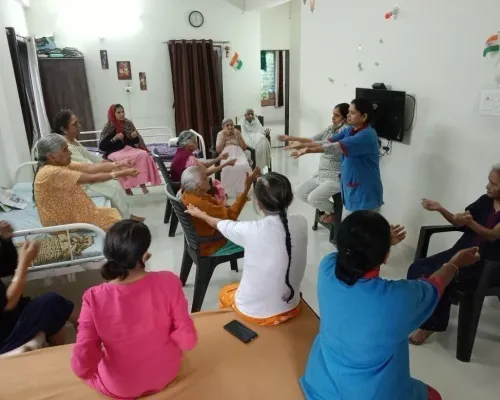
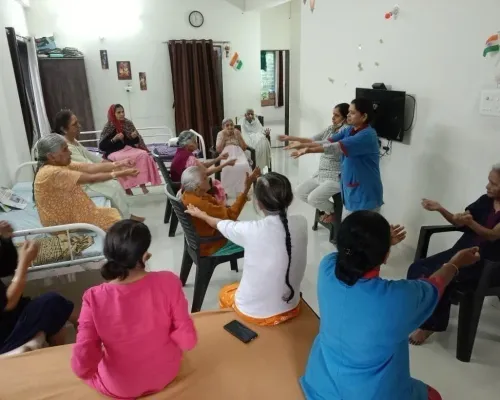
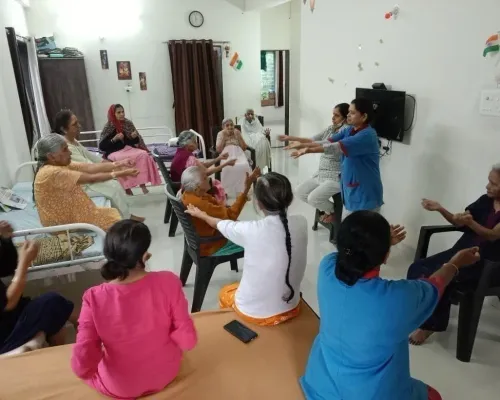
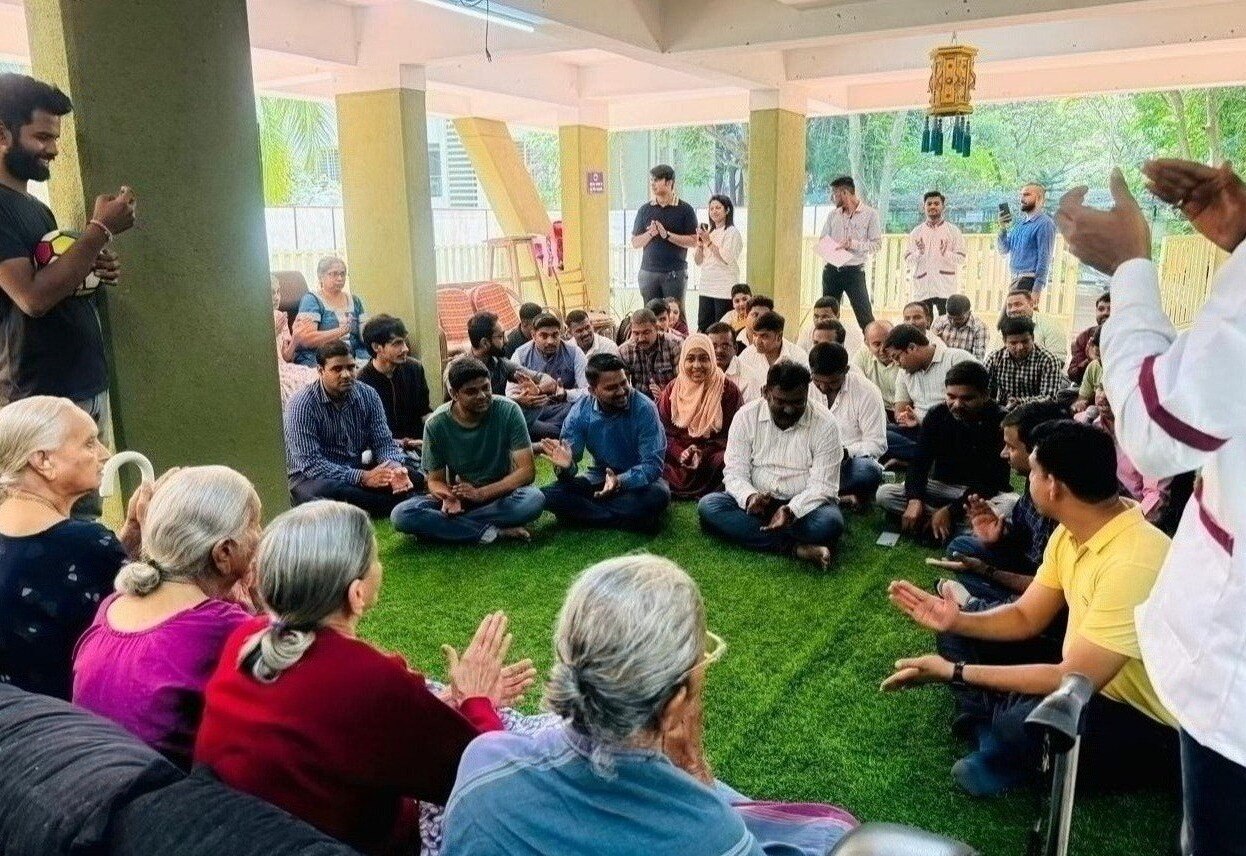
- Replace outdoor walking with supervised corridor walking, gentle exercises, music, folding laundry, or a familiar household task.
- Use a quiet room, curtains, and a calm voice during thunder; do not argue about frightening sounds.
- Keep corridors, bathrooms, stairways, and bedroom entrances evenly lit, with minimal glare and shadows.
- Dry wet floors immediately and provide non-slip footwear; do not expect the resident to remember a warning sign.
- Change damp clothes or bedding promptly and keep simple spare clothes within reach.
- Make the toilet easy to see and reach, especially when darkness or a lift failure alters the route.
Tell families beforehand how rain affects visits, transport, laundry, and outdoor access. Keep the medication list, calming preferences, and a recent photograph current. Do not take a resident out in unsafe weather merely to preserve a planned visit.
Monitor Hydration, Infection and Sudden Confusion Closely
A sudden change over hours or days is not ordinary dementia progression. Check the resident against their usual alertness, speech, walking, appetite, continence and sleep pattern; fluctuating attention, new drowsiness or agitation points to delirium and needs prompt medical assessment.
For dementia care weather support in pashan, staff should offer fluids at set intervals instead of waiting for thirst. Record intake for residents at higher risk, and check urine frequency and colour, dry mouth, dizziness, weakness and lethargy. Fever, vomiting, diarrhoea, constipation, pain, medication changes and reduced oxygen levels can trigger confusion.
- Check temperature, breathing, cough, oxygen saturation if prescribed, bowel movements and urination.
- Look for wet cough, painful urination, foul-smelling urine, loose stools, vomiting or a sudden drop in mobility.
- Use hand hygiene, respiratory etiquette, frequent-touch cleaning and practical ventilation; arrange medical review and separation from others when fever, repeated vomiting, diarrhoea or respiratory symptoms appear.
| Change | More consistent with | Action |
|---|---|---|
| Gradual forgetfulness with stable alertness | Usual dementia pattern | Maintain routine and document it |
| New confusion, drowsiness or agitation that fluctuates | Delirium from infection, dehydration, pain, constipation or medicines | Contact the clinician promptly |
| Fever, breathing difficulty, oxygen fall, repeated vomiting or severe diarrhoea | Acute illness | Seek urgent medical care |
| Unresponsiveness, blue lips, one-sided weakness or seizure | Emergency | Call emergency services immediately |
A marked reduction in drinking, concentrated urine, inability to stand safely or sudden functional decline also warrants same-day medical advice.
Compare the Centre’s Environment, Staffing and Care Limits
Search wording such as “dementia care elderly care for center monsoon in pashan” or “dementia care weather support in pashan” should lead to an inspection, not a brochure. Choose residential care only when the centre can manage wet-floor falls, power or lift failures, night-time needs, sudden delirium, and hospital escalation.
Ask the manager these questions, and request a walk-through during or immediately after rain:
- Who is awake overnight, and what is the resident-to-caregiver ratio on each shift?
- Who checks hydration, toileting, fever, cough, diarrhoea, and sudden confusion?
- What happens during a power cut, flooded approach road, lift failure, or cancelled ambulance transport?
- Are entrances and bathrooms dry, brightly lit, handrailed, and supervised, with non-slip footwear available?
- Show the room’s ceiling, bedding storage, ventilation, and bathroom; reject visible mould, sewage backflow, or persistent dampness.
- Which behaviours exceed the centre’s limits: wandering, aggression, incontinence, bed care, oxygen use, or two-person transfers?
Whether you inspect Kartavya Old Age Home’s premises or another provider, ask for the written admission exclusions, nurse coverage, doctor access, emergency transfer process, and family contact rules.
| Option | Monsoon advantage | Limit to test |
|---|---|---|
| Residential care | Continuous supervision and routine | Staffing may not cover one-to-one or complex nursing needs |
| Home care | Familiar surroundings and fewer transition effects | One absent caregiver can leave safety and hydration uncovered |
| Day care | Social contact without moving in | Nights, storms, and transport remain the family’s responsibility |
| Respite care | Trial placement or caregiver relief | Short stays can trigger confusion without careful handover |
| Memory-care unit | Specialist design and dementia-focused staffing | Availability, cost, and medical-care limits require verification |
Related service
Old Age Care “We believe communicating effectively with someone with Alzheimer’s is not just about using language, it is connecting through their senses such as... View service → |
Prepare the Resident’s Information and Preserve Familiar Connections
Give the centre a written, current profile before admission, because staff cannot safely support a resident through a disrupted monsoon routine using memory alone. For families arranging dementia care rainy season in Pashan, include:
1. A recent photograph, full name, preferred name, language, hearing or vision needs, mobility level, continence needs, allergies, diagnoses, and a complete medication list with doses and times.
2. Wandering information: usual destinations, triggers, response to being lost, identification details, and clothing or footwear that is easy to recognise. Add two emergency contacts and state who can approve medical care or transport changes.
3. Communication guidance: short phrases the resident understands, topics that cause fear, preferred music, spiritual practices, calming objects, and the exact sequence used for bathing, meals, toileting, medication, exercise, rest, and bedtime. This record supports dementia care seasonal routines in Pashan when rain cancels outings or staff must alter plans.
4. Spare dry clothes, non-slip footwear, continence supplies, and a labelled comfort item. Waterproof garments that are hard to remove can cause toileting accidents.
Ask in advance how heavy rain changes visiting hours, laundry, outdoor access, transport, lift use, and emergency contacts. Keep visits predictable, but do not take the resident outside in unsafe rain merely to preserve an appointment. If travel is cancelled, use a phone or video call, a familiar voice message, or a photograph-based conversation instead.
Tell staff about any sudden change after the visit; confusion developing over hours or days needs medical assessment, not automatic dismissal as dementia.
Frequently asked questions
How can an elderly care centre prepare for monsoon emergencies in Pashan?
The centre should assign staff roles, keep emergency contacts and medicines ready, check drainage and transport routes, and maintain a hospital transfer plan before heavy rain.
How do predictable routines help a person with dementia during the rainy season?
Keep waking, bathing, meals, medicines, activities and bedtime at consistent times, while moving activities indoors when rain disrupts usual plans.
Which health changes need close monitoring during monsoon dementia care?
Track fluid intake, urination, fever, cough, diarrhoea, skin changes and sudden confusion. Report sudden confusion promptly because it can signal infection, dehydration or another acute illness.
What should you compare when choosing a dementia care centre in Pashan?
Ask about dementia-trained staffing, night supervision, fall prevention, drainage, backup power, medical support, hospital transfers and the conditions the centre cannot safely manage.
What information should families provide before a resident moves into care?
Provide the resident’s diagnoses, medicines and doses, allergies, doctor contacts, usual routines, communication preferences, emergency contacts and details of familiar people or calming activities.