Families looking for Old age homes in Pashan may also consider nearby facilities in Baner because proximity between these Pune neighbourhoods can make regular visits and family involvement practical. However, location should be only one part of the evaluation.
The first factor to compare is the level of assistance available. Some residences primarily serve seniors who remain relatively independent, while others support residents who require help with bathing, dressing, mobility, medicines, or cognitive difficulties.
Accommodation is another consideration. Families can ask about room arrangements, accessibility, bathrooms, ventilation, housekeeping, and whether the physical environment is manageable for a resident with reduced mobility.
Meals deserve more attention than they sometimes receive. Ask how dietary preferences and restrictions are handled and whether assistance is available when a resident has difficulty eating independently.
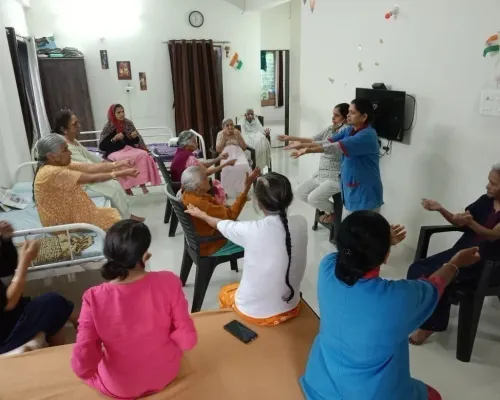
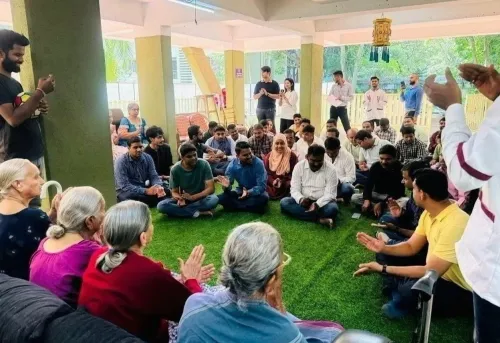
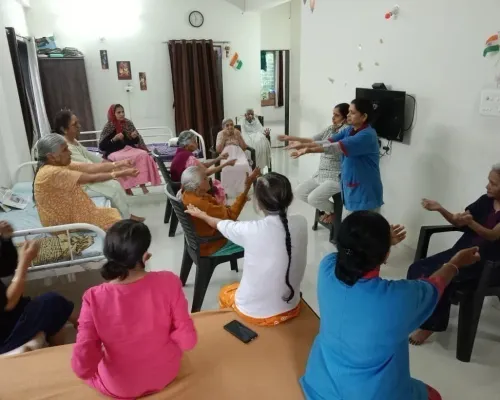
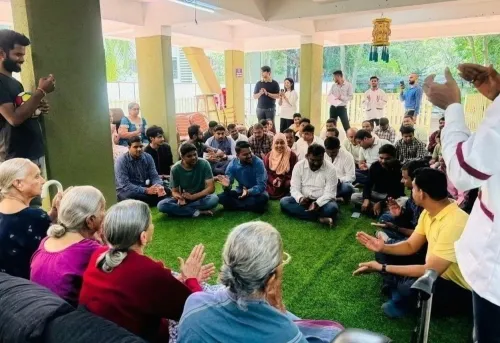
Daily engagement can also distinguish one facility from another. Seniors may benefit from opportunities for conversation, recreation, light activities, celebrations, or other suitable forms of social participation. The goal is not to keep residents constantly occupied but to prevent daily life from becoming unnecessarily isolated.
Families should compare:
Staffing and supervision arrangements
Personal care support
Medication assistance
Meal routines
Emergency procedures
Visiting arrangements
Activities and social interaction
Cleanliness and accessibility
Communication with relatives
Ability to manage changing care requirements
Another practical factor is travel time for family members. A facility close to Pashan, Baner, Aundh, or nearby western Pune areas may make frequent visits easier than a residence located much farther away.
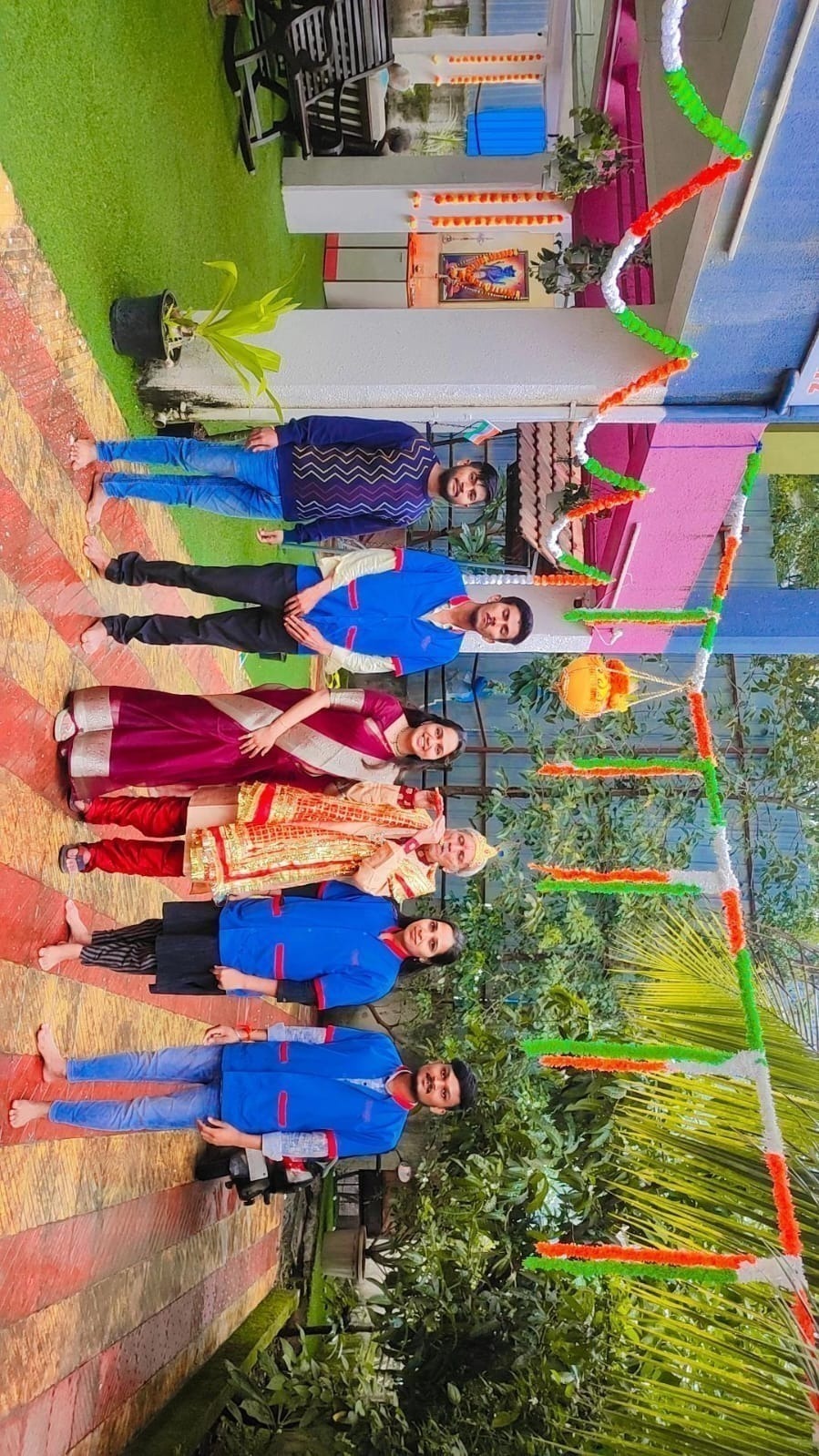
Kartavya Old Age Home’s in Baner is one nearby option for families considering residential elderly care around the Pashan area.
Instead of selecting an old age home from photographs or a short service list, visit the residence and discuss the senior's requirements in detail. Comparing everyday care arrangements, not simply amenities, can help families identify an environment better aligned with their loved one's needs and routines.